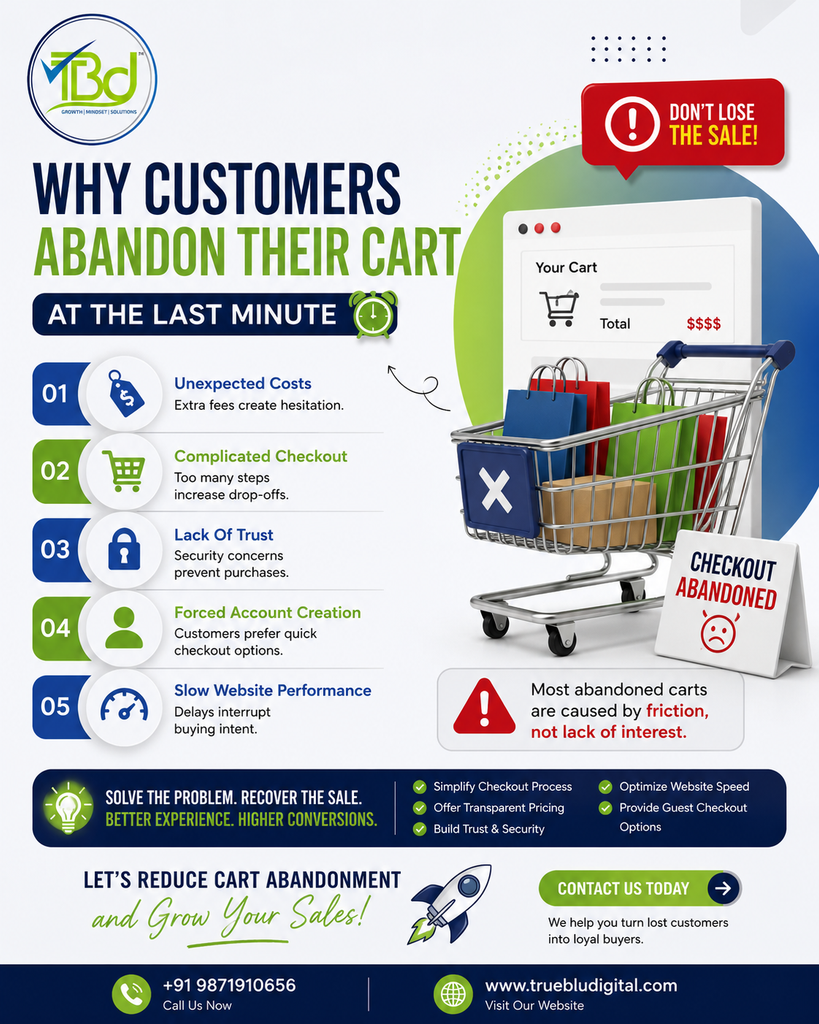
Not every visitor who comes to your ecommerce website will make a purchase on their first visit. Customers may browse products, add items to their cart, or even begin checkout before leaving the website. Instead of considering these visitors lost forever, ecommerce brands can use retargeting strategies to recover lost ecommerce customers and bring them back to complete their purchases.
Retargeting keeps your brand and products visible to people who have already shown interest, making it an important part of an effective ecommerce marketing strategy.
1. Retarget Product Page Visitors
Customers who view specific products have already demonstrated interest. Create retargeting campaigns that show these visitors the products they previously viewed.
Use attractive product images, clear benefits, and relevant calls-to-action such as “Shop Now” or “Complete Your Purchase.” Dynamic product ads can make these campaigns more personalized and relevant.
2. Recover Abandoned Carts
Cart abandonment is a major challenge for ecommerce businesses. Customers may add products to their cart but leave because of unexpected costs, complicated checkout processes, distractions, or simply because they need more time to decide.
Use retargeting ads and automated emails to remind customers about their abandoned products. Consider offering free shipping or a limited-time discount when appropriate to encourage them to return.
3. Use Personalized Retargeting Ads
Generic advertising may not capture the attention of previous visitors. Personalization can make retargeting more effective.
Segment audiences according to their behavior, such as product viewers, cart abandoners, previous purchasers, and frequent visitors. Display relevant products and messages based on each customer’s previous interaction with your store.
4. Create Time-Based Campaigns
Timing matters in retargeting. A customer who visited your website recently may be more likely to purchase than someone who visited several weeks ago.
Create different campaigns for recent visitors, cart abandoners, and older website visitors. Adjust your messaging and advertising frequency according to how recently someone interacted with your store.
5. Offer the Right Incentives
A carefully planned incentive can help turn hesitant shoppers into buyers. Depending on your margins and business model, consider free shipping, limited-time discounts, bundle offers, loyalty rewards, or special promotions.
Avoid giving discounts to every visitor because customers may learn to wait for offers. Use incentives strategically for customers who need an additional reason to complete their purchase.
6. Retarget Existing Customers
Retargeting is not only about recovering abandoned purchases. Existing customers can also be targeted with complementary products, new arrivals, seasonal offers, and personalized recommendations.
For example, someone who purchased a skincare product could receive recommendations for related products. This can increase repeat purchases and customer lifetime value.
7. Control Ad Frequency
Showing the same advertisement too frequently can annoy customers and create negative brand experiences. Set frequency limits and refresh your creative regularly.
Test different headlines, images, offers, and calls-to-action to identify which combinations generate better engagement and conversions.
Conclusion
Effective retargeting strategies to recover lost ecommerce customers can help brands reconnect with interested shoppers and turn missed opportunities into sales. Product retargeting, abandoned-cart campaigns, personalization, strategic incentives, customer segmentation, and frequency management can all contribute to better ecommerce performance.
The most successful approach is to continuously monitor metrics such as click-through rate, conversion rate, return on ad spend, and recovered revenue. By combining smart retargeting with a smooth shopping experience, ecommerce brands can recover more customers and build sustainable online growth.